
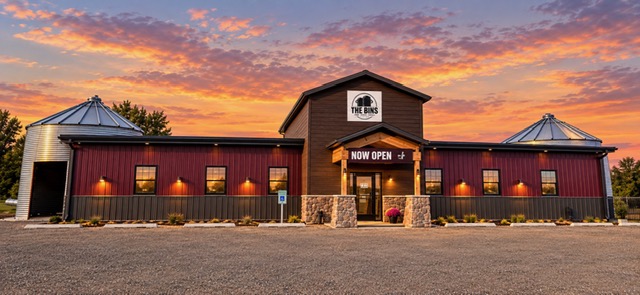
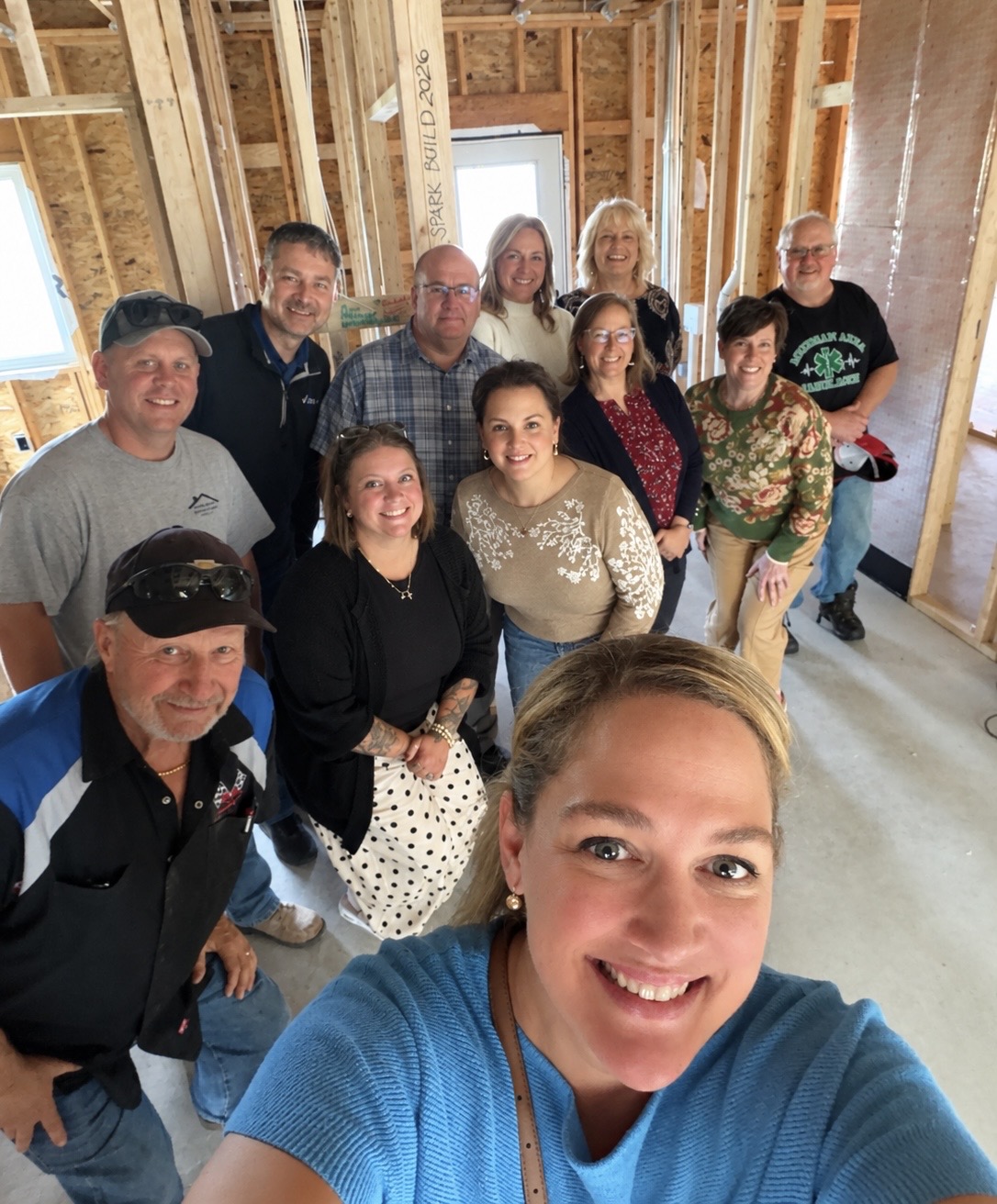
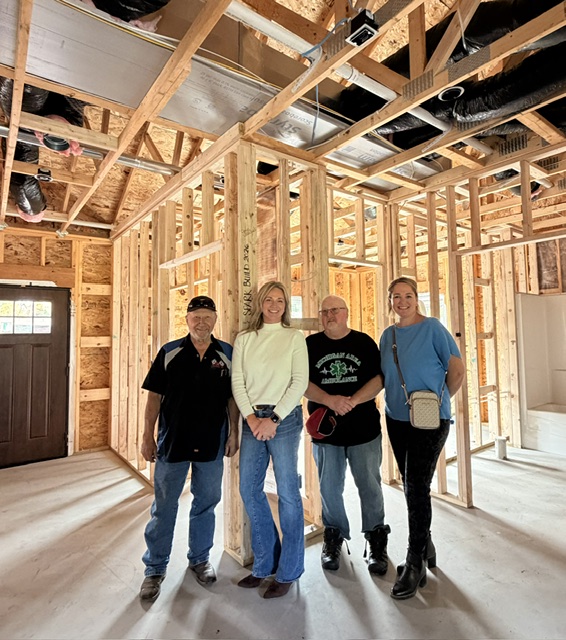
The Red River Community Housing Development Organization (CHDO) Board of Directors held their September meeting in Lakota at The Bins coffee house. Following the meeting they gathered for a “Stud Signing” at the twin home under construction in Lakota, then traveled to Michigan for a “Stud Signing” event there. These events have become a tradition for Red River CHDO, and provide an opportunity to celebrate progress and share our story with the communities. In total thirteen homes are under construction. Another fifteen homes across Region 4 are in the pipeline. Looking ahead to 2027, the volume of Red River CHDO’s new home production will be dependent on funding appropriations for the Housing Incentive Fund (HIF). Region 4 has been the strongest user of the HIF Single Family funding across the state. At the time all HIF funding for 2025-2026 biennium has been allocated. As homes sell and HIF funds are repaid to the state, Red River CHDO plans to submit additional applications.
Our ability to continue new home production at the current pace will require continued and increased HIF appropriations by the 2027 Legislature which begins in January.
On your next trip down Highway 2 be sure to stop at The Bins for coffee and a bite to eat. I promise, you will be impressed!
Regional Housing Forums
In September, Red River CHDO Executive Director Lisa Rotvold, participated in three of North Dakota Housing Finance Agency’s public housing forums held in Mandan, Minot and Fargo. At the forums, Lisa shared some of the challenges that inhibit new construction in rural areas and talked about strategies Red River CHDO is using to overcome them. Red River CHDO’s Spark Building Initiative is getting attention from across the state and giving other communities hope that they too can improve economic conditions to support new home construction.
The forums provided the opportunity for Rotvold to share with state policy makers how critical the Housing Incentive Fund is to our work, and how a housing infrastructure bill that would provide matching funds for communities pursuing development of additional housing lots would help rural communities make room to grow.